Interior Prehung Doors

One of the largest suppliers in Wellington region
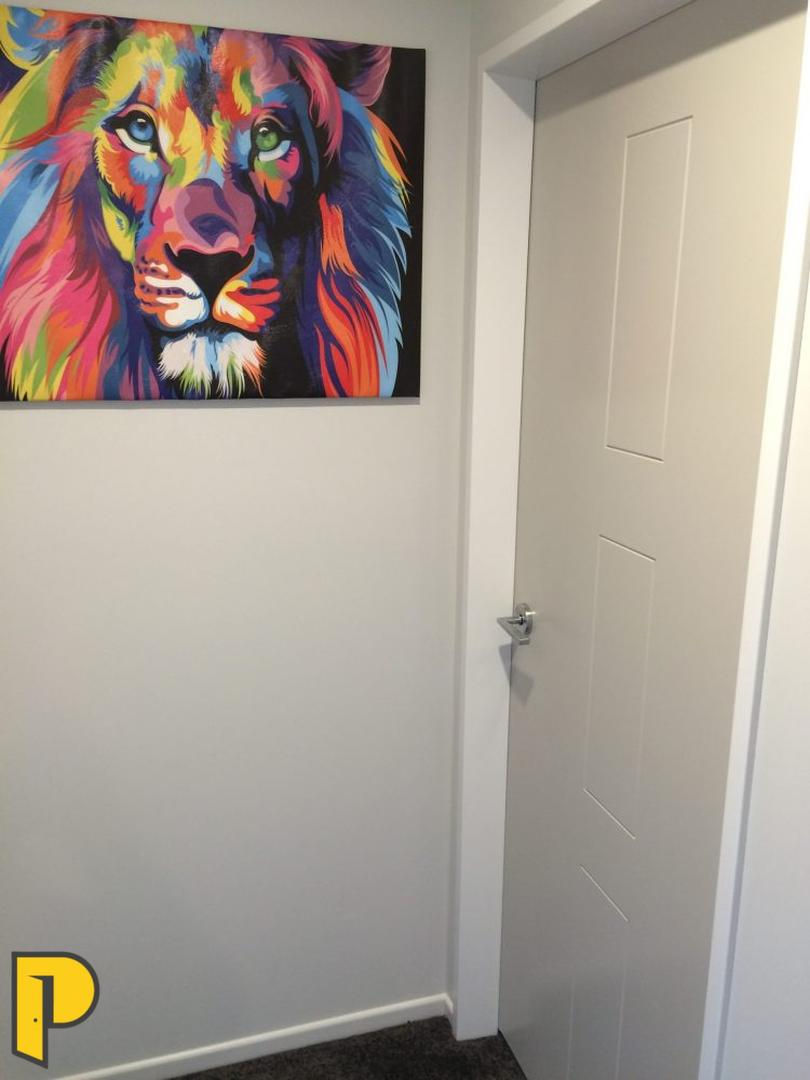
Paraparaumu Doors & Joinery is one of the Wellington Region’s largest suppliers of prehung interior doors.
A pre-hung door includes the door leaf already mounted inside a door jamb, ready for quick and efficient installation.
We offer a wide range of pre-hung door configurations to suit any space:
-
Single pre-hung doors
-
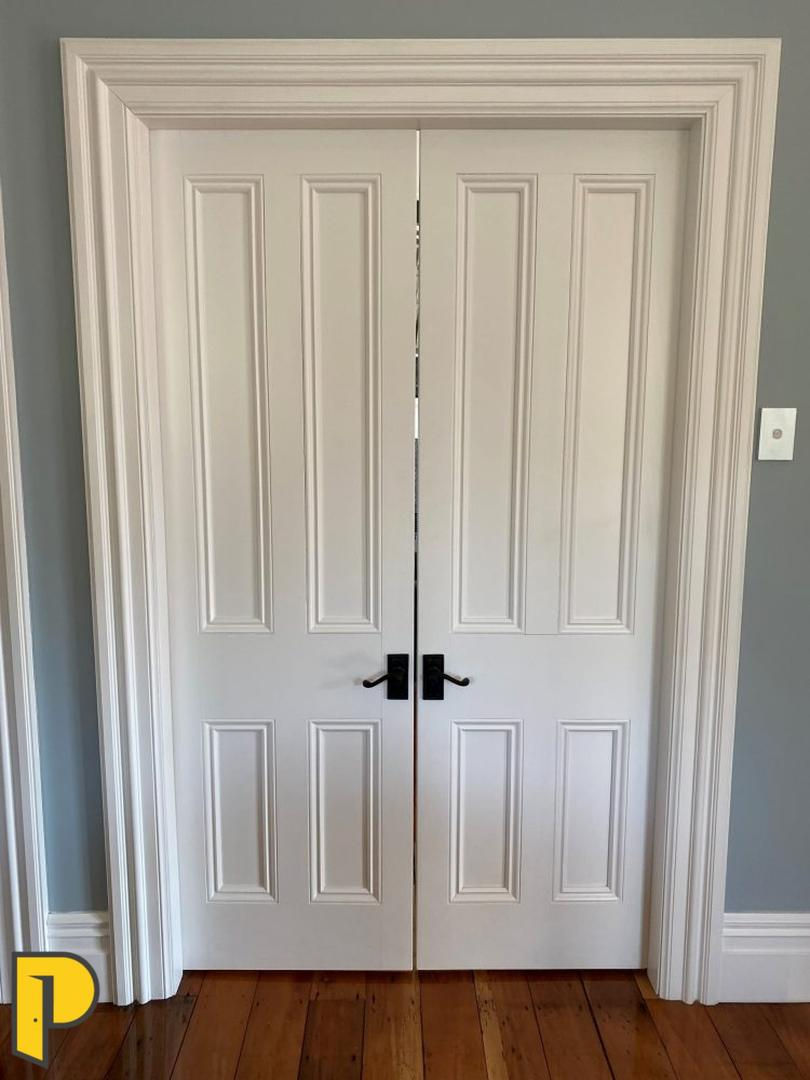
Pair/double pre-hung doors
-
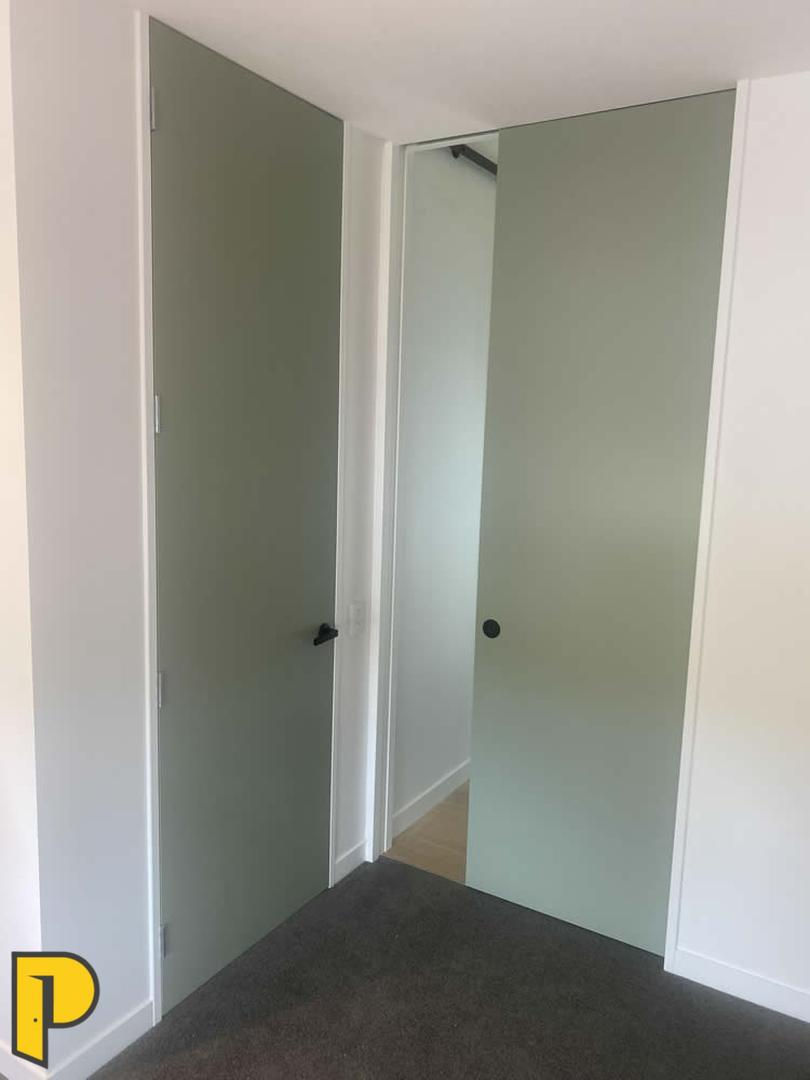
Over-height doors
-
Concealed/hidden doors
-
Doors with seals (including drop-down acoustic seals)
-
Custom-made doors
-
Acoustic-rated doors
-
Lift doors


Main considerations for prehung doors
Door Height
Considerations:
-
Ceiling height: Taller doors suit higher ceilings and reduce visual gaps
-
Design style: Over-height doors enhance contemporary or minimalist interiors
-
Functionality: Taller doors may require stronger hinges and framing
-
Availability: Standard heights are readily stocked; over-height may have longer lead times
-
Flooring: it's important to account for the finished floor level, especially if flooring will be added after the door is installed. Common flooring types like tiles, carpet, timber, or vinyl can raise the floor height by 10–30mm or more, which may cause the door to bind or not clear the surface properly.
-
1980 mm (most common)
-
Suitable for standard residential ceilings (typically 2400 mm high)
-
Widely available and cost-effective
-
-
-
2100 mm
-
2200 mm
-
2300 mm
-
2400 mm
-
Used in modern homes with higher ceilings
-
Creates a more spacious, architectural feel
-
Often custom-made or ordered through specialist suppliers
-
-
Door Width
Considerations:
-
Accessibility: Wider doors (860 mm+) may be required for wheelchair access or commercial compliance
-
Structural Support: Overwidth doors may need reinforced jambs and heavier-duty hinges
-
Design Impact: Larger doors create a more open, architectural feel and are ideal for modern homes or feature spaces
These sizes are commonly used for single-hung interior doors in residential and commercial settings:
-
410 mm – Ideal for pantries, narrow cupboards, or tight spaces
-
510 mm – Compact rooms or secondary access points
-
610 mm – Small bathrooms or wardrobes
-
710 mm – General interior use
-
760 mm – Bedrooms, living areas
-
810 mm – Most popular full-width standard door
-
Used for feature entries, double doors, or accessibility-focused designs:
-
860 mm – Suitable for wider access and mobility compliance
-
910 mm – Common for double door setups or larger rooms
-
1000–1200 mm – Often used for statement entries or commercial interiors
-
Leaf Styles
A door leaf is the main panel of the door that swings open and closed.
-
Material Options: MDF, solid timber, hollow core, veneer-faced, or glass
-
Design Styles
-
Smooth flush doors - clean and modern
-
Grooved doors - adds texture and depth - Groove Options
-
Four-panel doors - classic and timeless
-
Jamb Options
Once your leaf style is selected, choose from several jamb profiles:
A standard jamb designed to be finished with decorative architraves (trims) around the door
-
Pros:
-
Easy to install and finish
-
Works with most wall types
-
Wide range of trim styles available
-
-
Cons:
-
Visible trim may not suit minimalist designs
-
-
Designed to allow GIB (plasterboard) to slot into the jamb for a flush wall-to-door transition
-
Pros:
-
Clean, modern look
-
No need for architraves
-
Ideal for contemporary interiors
-
-
Cons:
-
Requires precise installation and finishing
-
-
Creates a recessed shadow line between the wall and door, often used in high-end architectural designs
-
Pros:
-
Sleek, minimalist aesthetic
-
Highlights clean lines and geometry
-
-
Cons:
-
More complex to install
-
Requires careful coordination with wall linings and finishing
-
-
Core Options
We offer multiple core types to suit your performance and budget needs:
Lightweight timber frame with a ribcore interior
-
Pros:
-
Economical
-
Easy to install
-
Ideal for low-traffic areas
-
-
Cons:
-
Poor sound insulation
-
Less impact resistance
-
Not suitable for wet areas
-
-
Timber frame filled with a solid polymer core
-
Pros:
-
Moisture-resistant
-
Better sound insulation than hollow core
-
Durable and stable
-
-
Cons:
-
Heavier than hollow core
-
Slightly more expensive
-
-
Structure: Fully filled with compressed particle board
-
Pros:
-
Excellent sound insulation
-
High durability and impact resistance
-
Ideal for acoustic or fire-rated applications
-
-
Cons:
-
Heaviest option
-
Requires strong hinges and framing
-
Higher cost
-
-
Explore more door styles and finishes from our trusted suppliers:



Additional components of prehung doors
Hinges
-
Butt hinges, concealed hinges, or lift-off hinges (for easy removal)
Latch & Strike Plate
Latch
-
Mechanism that keeps the door closed when shut
Strike Plate
-
Metal plate mounted on the jamb where the latch engages
Handle or Knob
-
Lever handles, knobs, privacy sets, passage sets, or locking sets
Seal (optional)
-
Acoustic seals, smoke seals, or drop-down seals
Function
-
To improve sound insulation, fire/smoke protection, or privacy
Architrave (optional)
Decorative trim around the door frame
Function
-
Covers the gap between the wall and the jamb, adds aesthetic value